
Free Consultations703-542-4500

Burke Child Pornography Defense Lawyer
Dismissal achieved early by attacking the admissibility of evidence.

I came to him during an incredibly difficult and stressful period in my life, and he was there with me every step of the way, offering not just sound legal guidance but real reassurance when I needed it most...
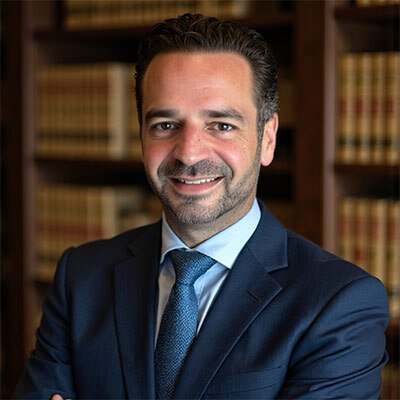
As the owner, founder, and managing attorney of Noorishad Law, P.C., Kaveh concentrates his practice in criminal and civil litigation across Virginia. Committed to helping people through difficult legal matters, he offers a free initial consultation.
125+ Star Reviews
I am so happy for the way you handled my case I can thank you enough in my opinion you are the best that is the reason I give you 5/5 stars I highly recommend you to anyone that thinks that is impossible Mr. Noorishad makes it possible definitely the best. Thank you.
When law enforcement officials investigate alleged sex crimes, including cases involving child pornography, people accused of these offenses may not know how to respond. Officers may believe that a person has downloaded pornographic materials depicting minors, shared these materials with other people, or been involved in photographing or filming children in sexual situations. Because of the serious nature of these allegations, people who have been accused of child pornography offenses will need to understand their options for defense.
At Noorishad Law, P.C., our attorney understands the difficulties people face when they have been accused of offenses related to child sexual abuse materials (CSAM). He has the skills and experience needed to defend against these charges while protecting clients' rights. He can review how investigators gathered evidence and how devices were searched, and he build a strong defense to help avoid a conviction.
Child sexual abuse materials may include any types of visual material that depicts an identifiable minor engaging in behavior that is considered to be sexually explicit. Child pornography may include photographs, videos, digital images, and other visual depictions of minors under the age of 18. It may involve minors engaging in sexual intercourse or other sexual conduct, including nudity.
Knowingly possessing child pornography may lead to Class 6 felony charges. However, prosecutors may file a separate count of CSAM possession for each image or video that a person allegedly possessed. Allegations involving the possession of a large number of photos or videos could lead to a much longer sentence.
Reproducing, selling, or sharing child pornography is a more serious offense, and a person who is convicted could be sentenced to between five and 20 years in prison. These charges may also apply if a person allegedly possessed CSAM with the intent to distribute it to other people. In many cases, the possession of a large number of materials may be considered to demonstrate an intent to distribute CSAM.
Charges related to the creation of child pornography are often treated more seriously than accusations of possession or distribution of CSAM. A person could be charged with an offense based on accusations that they filmed or photographed minors engaging in sexual conduct, persuaded a minor to take part in the creation of child pornography, or provided financing to create child pornography. A conviction on charges related to CSAM production could lead to a sentence lasting between five and 30 years in prison.
Many investigations into CSAM offenses begin when reports are made to the National Center for Missing and Exploited Children. Internet companies are required to report CSAM that they discover on their platforms. After receiving reports, officers may look into the online activities of a certain person, or they may monitor traffic related to a specific device or WiFi network.
Law enforcement agencies may also monitor public networks that may be used to distribute child pornography. Officers may run undercover operations online, attempting to communicate with people who are suspected of CSAM offenses to determine if they are attempting to download or distribute child pornography. In some cases, files may be shared publicly, and officers may be able to observe activity without obtaining search warrants. In other situations, officers may use subpoenas, court orders, or warrants to obtain records from internet companies and identify potential CSAM offenses.
After identifying a person who is suspected of possessing or distributing child pornography, officers may search their home and seize their devices. A search warrant may allow officers to seize computers, phones, tablets, gaming consoles, or other electronic devices. They may then work with digital forensics experts to review the data stored on devices, internet browsing history, the use of file-sharing apps, and other information as they identify CSAM and determine whether criminal charges may be filed.









Where CSAM charges may be filed will often depend on which agency led an investigation and the facts involved in a case. State charges may apply in cases involving investigations by local or state police. However, investigations by federal agencies could lead to federal charges. A case may also be handled in federal court if it involved the use of the internet, since CSAM may have been allegedly transmitted through networks in multiple states or countries.
While you are required to comply with a search warrant, you do not have to answer any questions you are asked. Attempts to explain yourself or provide information to police officers could end up hurting your case. Before saying anything, it is advisable to consult with an attorney. By invoking your right to remain silent and your right to an attorney, you can make sure you will be able to protect against self-incrimination.
A prosecutor will need to prove that you knowingly and intentionally possessed or accessed child pornography before you can be convicted. Our lawyer can help you take steps to show that you did not know about the materials and did not intentionally download or view them.
After an arrest for a CSAM offense, you may be able to be released from custody by posting bail. However, a court may place certain conditions on your release, including restricting your activities. These may include restrictions on internet access or contact with minors. Our attorney can help you understand what conditions may apply so that you can avoid any violations that could affect your case.
Our lawyer can provide guidance on the defense strategies that may be used when addressing charges related to child pornography. These may include:
At Noorishad Law, P.C., our attorney can provide legal representation in cases involving charges related to CSAM. He can advise you of your rights, make sure you understand the accusations against you, and develop a defense strategy to help you avoid a conviction. Contact our Burke, Virginia CSAM defense lawyer at 703-542-4500 to arrange a free consultation.
People in Burke who face criminal charges will usually have their cases heard at the Fairfax County Circuit Court, located at:
We represent clients in Fairfax County from our office in McLean, located at:
Noorishad Law, P.C.
8200 Greensboro Drive, Suite 900
McLean, VA 22102
(By Appointment Only)
703-542-4500 - Office
703-636-8945 - Fax


Reach out to us by filling out the form below or calling 703-542-4500. We are available 24/7 to address your needs, and we will provide you with a free consultation.

From our office in McLean, VA, Noorishad Law, P.C. provides legal help to clients and their families throughout the area, including Fairfax County, Arlington County, Loudoun County, Prince William County, Alexandria, Annandale, Arlington, Ashburn, Broadlands, Burke, Cascades, Centreville, Dale City, Dumfries, Fairfax, Falls Church, Gainesville, Haymarket, Herndon, Lake Ridge, Leesburg, Manassas, Montclair, Occoquan, Purcellville, Quantico, Reston, Stafford, South Riding, Springfield, Sterling, Stone Ridge, Sugarland Run, Tysons Corner, Vienna, Woodbridge, and Woodburn.
Results listed are not a guarantee or indication of future case results.